Achieving Perfect Symbiosis: Blending Water Features with Native Plantings May 09, 2026
To begin with, a well-planned design is the cornerstone of any successful landscaping project. When considering the integration of water features like ponds, waterfalls, or fountains, the placement relative to existing structures, sun exposure, and natural water flow should guide your decisions. One of the primary advantages of native plantings is their adaptability. Unlike non-native species, native plants have evolved to thrive in the local climate and soil conditions, reducing the need for additional water and chemicals.
The key to marrying water features with native plants is understanding the specific needs of both elements. For instance, when installing a pond, incorporating native aquatic plants such as water lilies, cattails, or pickerelweed can enhance the natural look while providing habitat for local wildlife. Shallow areas around water bodies are ideal for moisture-loving plants like wild irises and swamp milkweed. These plants not only beautify the setting but also contribute positively by improving water quality through natural filtration processes.
Transitioning from water’s edge to drier terrain requires careful plant selection. Choose native grasses and perennials that complement the overall theme of your landscape. Species such as wild bergamot, coneflowers, and switchgrass are known for their low-maintenance nature and seasonal variety, offering year-round interest. Grouping plants with similar water and light requirements will not only create a cohesive design but also ensure your landscape thrives with minimal intervention.
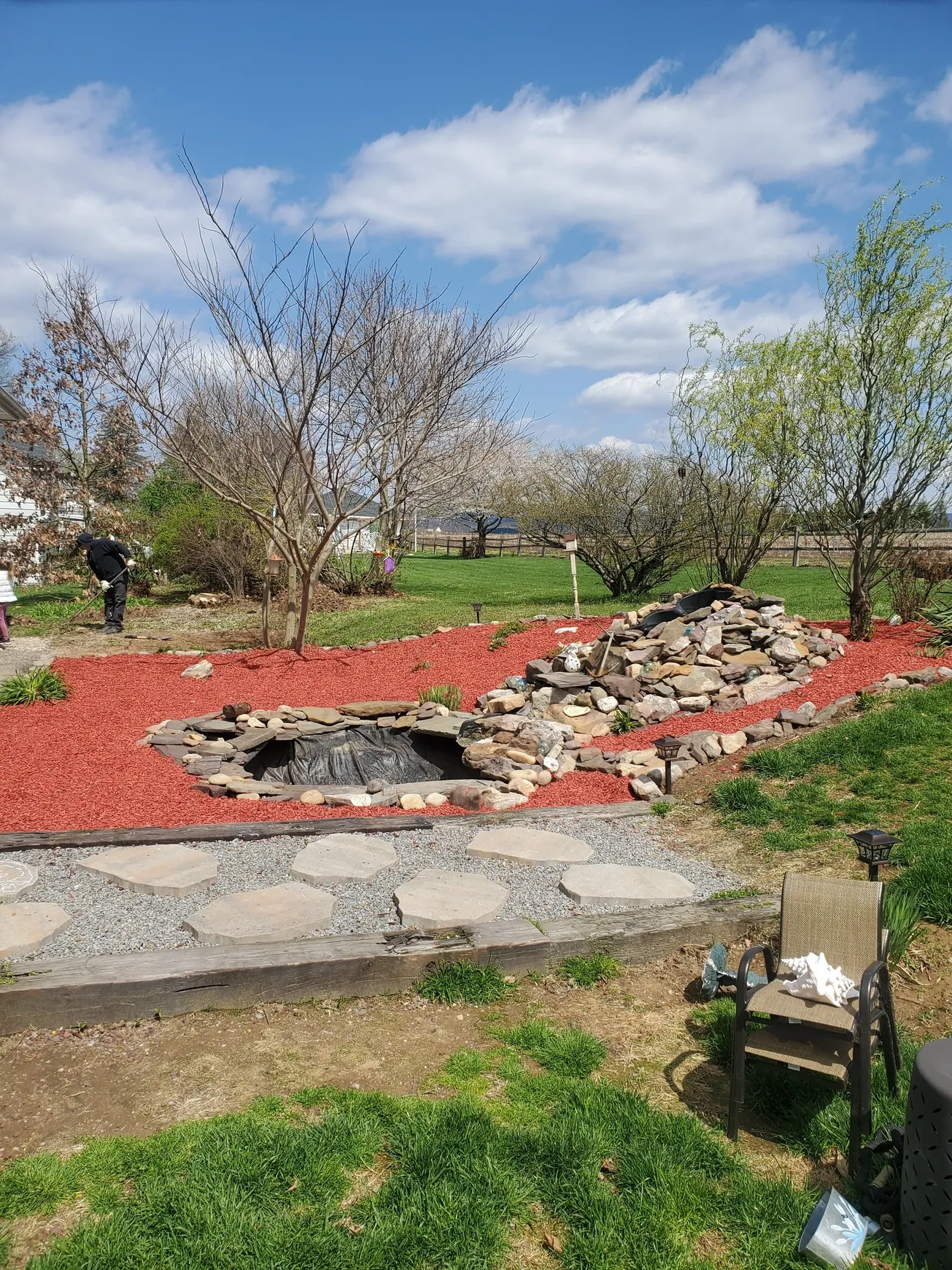
Creating movement and sound with water features further enhances the sensory experience of your landscape. Consider adding a small waterfall or a bubbling fountain to introduce soothing sounds that attract wildlife such as birds and dragonflies. These elements not only provide a delightful auditory backdrop but also encourage biodiversity by supporting native fauna. The strategic use of rocks and pebbles around water features can enhance visual interest and create mini-ecosystems where mosses and lichens may naturally establish themselves.
Incorporating sustainable practices into your landscape design is more important than ever. Choosing eco-friendly materials for constructing paths and retaining walls can complement the natural theme. Natural stone and reclaimed wood often blend seamlessly with flora and water elements, contributing to sustainability while enhancing aesthetic appeal. By creating a balance between human enjoyment and environmental stewardship, your yard becomes a sanctuary for both you and local wildlife.
As you embark on this journey of creating a landscape that marries water features and native plantings, consider partnering with experts like Down Home Landscaping. Our team is dedicated to crafting outdoor spaces that respect nature while reflecting your personal style. Whether you’re starting from scratch or renovating an existing space, our knowledge of local ecosystems ensures that your garden will flourish sustainably.
In conclusion, achieving a perfect symbiosis between water features and native plantings is a rewarding endeavor that benefits both homeowners and the environment. By taking thoughtful steps in your landscape design process, you not only elevate the beauty of your outdoor space but also contribute to the health of local ecosystems. Embrace this partnership with nature, and transform your yard into a peaceful retreat where the serenity of water and the resilience of native plants coexist harmoniously.
/filters:no_upscale()/filters:format(webp)/media/edbcbce3-5162-4f51-a717-e9500851db09.webp)
/filters:no_upscale()/filters:format(webp)/media/254efeed-c378-4e44-880c-a92c5b58be03.jpg)