The Beauty of Symbiosis: Designing Landscapes that Nourish and Protect Nov 21, 2026
In the world of landscape design, symbiosis is the key to maintaining healthy and sustainable gardens. When plants are chosen not only for their beauty but also for their ability to support local wildlife and protect soil health, the benefits multiply. Selecting native plants is a powerful way to begin. Native plants are well-adapted to the local climate and soil conditions, meaning they require less water and are more resilient against local pests. By integrating them into your garden, you create a self-sustaining ecosystem that can thrive with minimal human intervention.
A lush, symbiotic landscape doesn't just provide aesthetic value. It actively improves soil quality, helping to combat erosion and increase fertility. Ground covers, such as clover or creeping thyme, protect the soil from erosion while suppressing weed growth, reducing the need for chemical herbicides. Their root systems also help to aerate the soil, improving its structure and health. By prioritizing these plant choices, your landscape becomes a protector of the earth as much as it is a feast for the eyes.
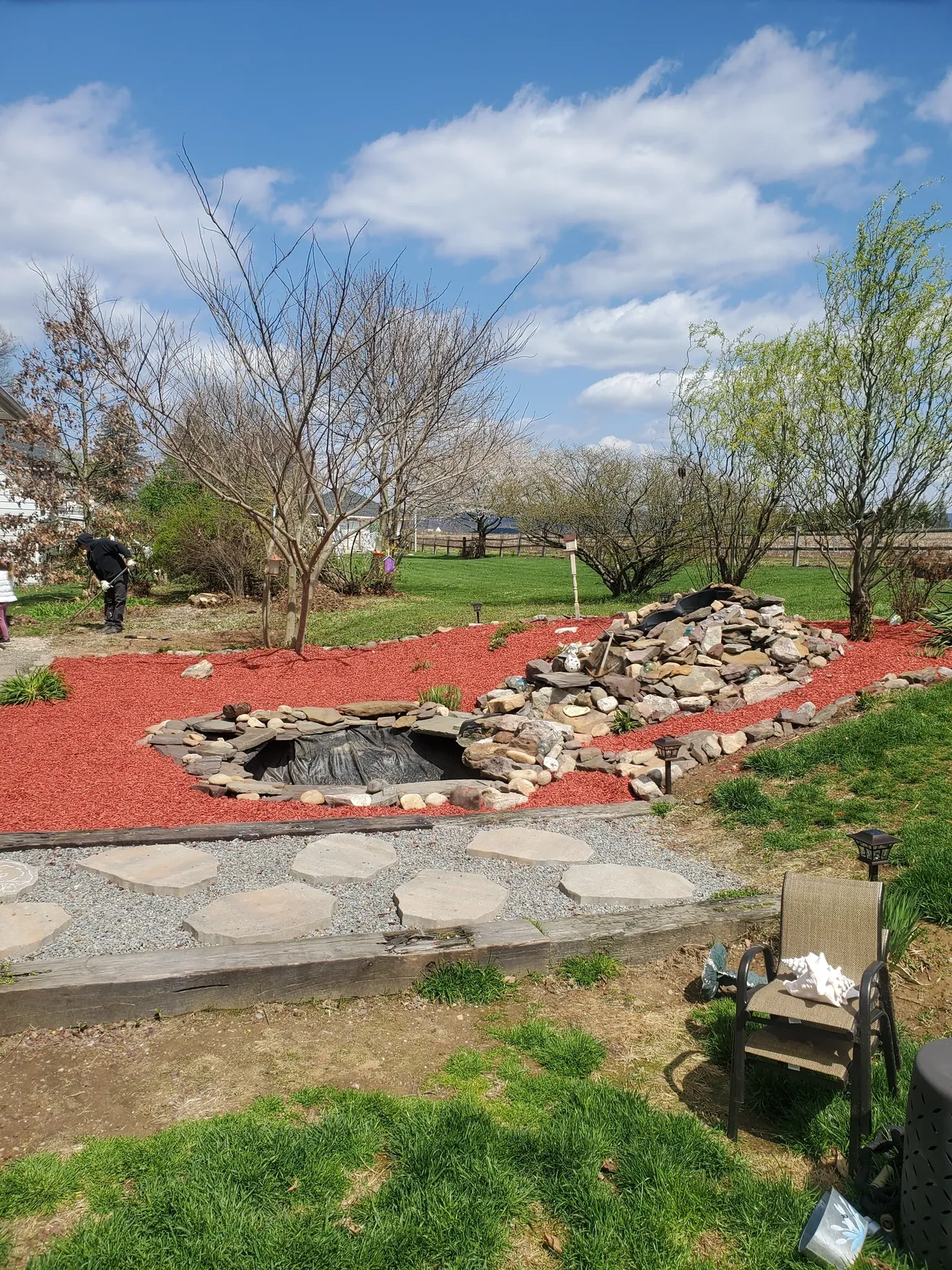
Water management is another critical component of a symbiotic landscape. The careful design of drainage systems and the incorporation of rain gardens can significantly enhance the sustainability of your landscape. Rain gardens are designed to capture and filter runoff water, allowing it to percolate into the ground rather than washing away valuable topsoil and nutrients. This not only conserves water but also reduces pollution and supports the growth of plants that purify the air and soil.
Biodiversity is perhaps the most riveting aspect of a symbiotic landscape. By using a variety of plants, you invite a range of wildlife, from pollinators like bees and butterflies to birds and beneficial insects. These creatures play a crucial role in maintaining ecological balance, aiding in pest control, and ensuring that plants are pollinated. Enhancements like bird baths, bee hotels, and flowering plants can attract and sustain these beneficial species, turning your garden into a sanctuary for wildlife.
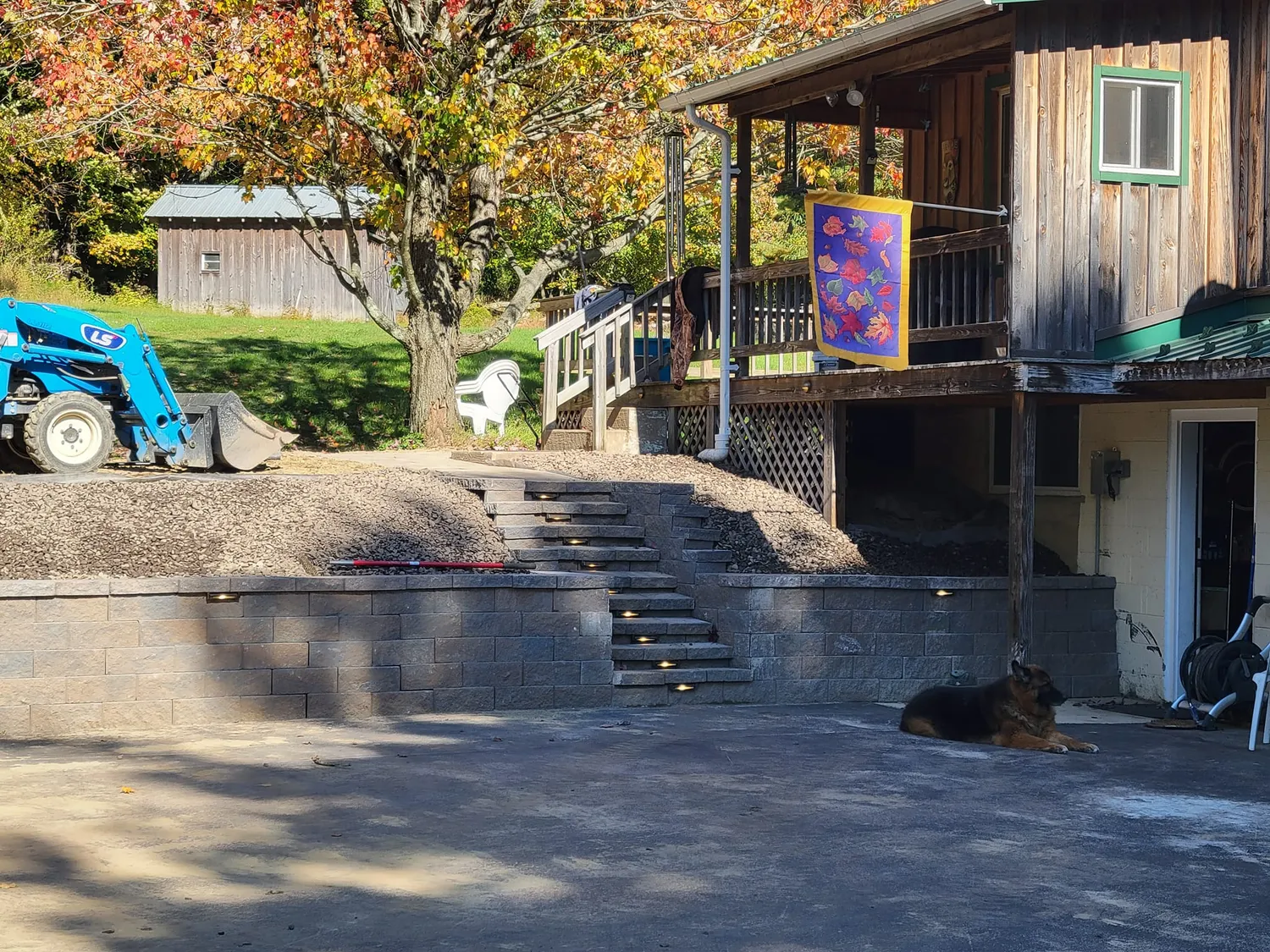
Incorporating hardscape elements may seem contrary at first, but they complement the soft scape brilliantly in a well-designed landscape. Paths, retaining walls, and patios made from permeable materials allow rain to filter through to the ground below, maintaining the natural hydrology of your site while providing functional and aesthetic value. These integrations must be thoughtfully chosen to ensure they harmonize with the surrounding plant life and overall design.
Ultimately, symbiotic landscaping is about more than just the plants and elements chosen. It's a philosophy of garden design that seeks to create lasting connections between the environment and the spaces we inhabit. At Down Home Landscaping, we strive to guide our clients through these choices, ensuring that their landscapes not only meet their aesthetic needs but also contribute positively to the environment.
With careful planning and a commitment to embracing nature, any landscape can become a symbiotic haven, enriching the space with beauty, sustainability, and life. Whether you're looking to establish a new garden or modify an existing one, our team is here to help you achieve a landscape that nourishes and protects, fulfilling the vision of a truly harmonious outdoor oasis.