Crafting Captivating Curves: The Art of Organic Pathway Design Nov 22, 2026
When contemplating pathway design, the key is to embrace fluidity. Organic pathways are characterized by gentle, natural curves that can transform your garden into a serene sanctuary. These curves invite exploration and can lead the eye on a journey, while simultaneously serving practical purposes like guiding foot traffic and connecting different areas of your yard. But how do you begin designing a path that marries form and function so gracefully?
Start by considering the layout of your landscape. Organic pathways often work best when they complement the existing topography of your yard. Instead of relying on straight lines that can feel too rigid, let your terrain guide the flow. This means following the natural slopes and dips of the land, which not only respects the environment but can also reduce erosion and runoff issues. To visualize your pathway, use a garden hose or rope to outline where you imagine the path flowing, adjusting the curves until they look just right.
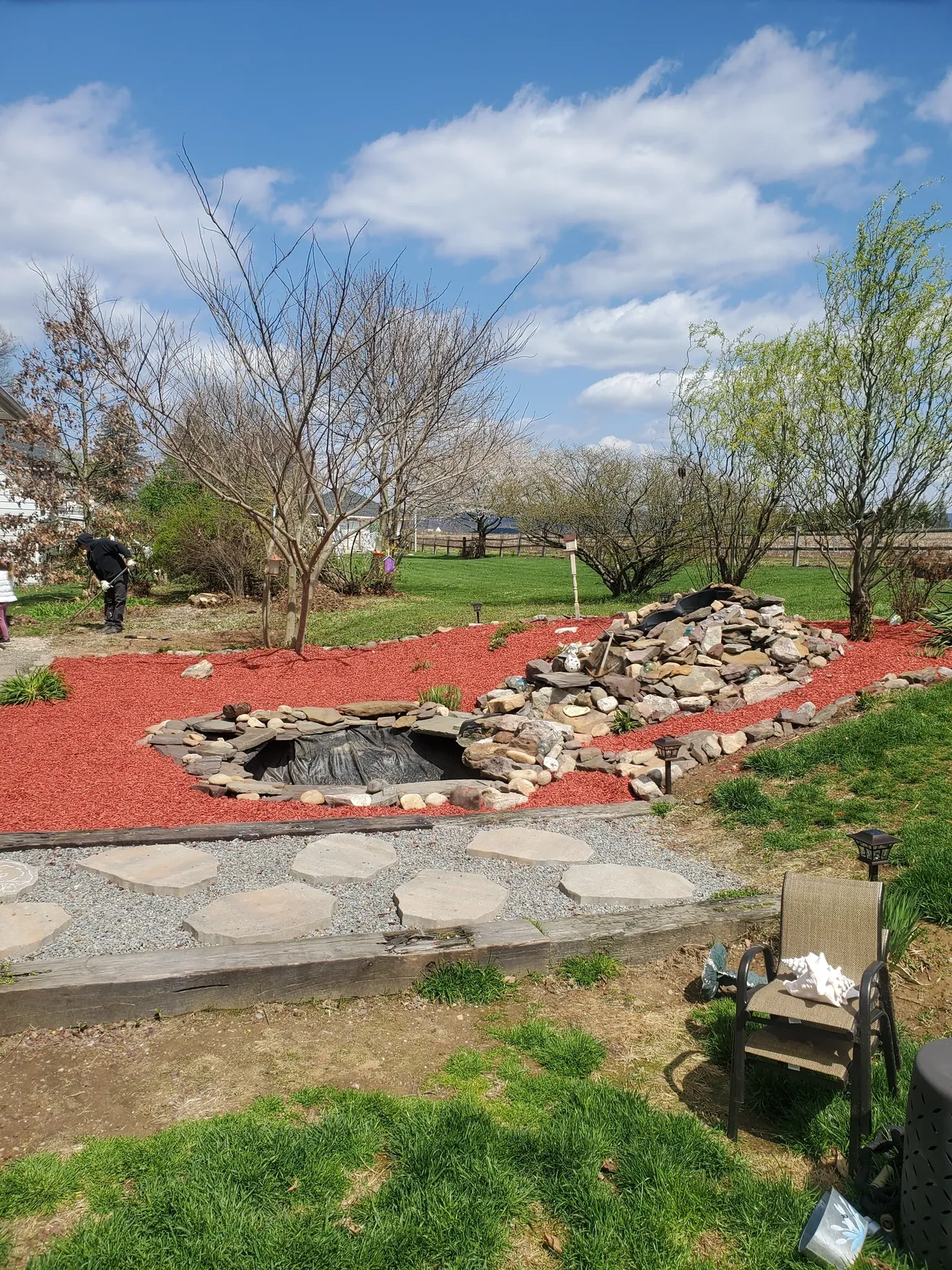
Material selection is another pivotal aspect of pathway design. The choice of materials can drastically impact the overall aesthetic and usability of the space. Natural stone and gravel are popular options for organic pathways as they blend seamlessly with most landscapes. Not only do these materials offer durability, but their varied textures can enhance the visual interest of the path. Arranging stones in a slightly irregular pattern can evoke a rustic charm, while pea gravel provides a crunchy, satisfying texture underfoot. For a more formal look, consider using interlocking pavers, which can also be arranged in curves and various patterns.
Maintenance should also be at the forefront of your planning. While organic pathways are typically low maintenance, regular upkeep can preserve their charm and longevity. For materials like gravel, occasional raking to redistribute the stones and clear debris is usually sufficient. Stone paths may benefit from periodic power washing to maintain their appearance. Appreciate also the benefits of edging your path with plants or stone borders, which can help to define the pathway and prevent overgrowth from sprawling into it.
Incorporating lighting can turn your pathway into a functional asset even when the sun goes down. Strategically placed solar lights can illuminate the path’s curves, guiding guests safely while creating a magical atmosphere. Lanterns, fairy lights, and even glow-in-the-dark stones are all innovative ways to add illumination without disrupting the natural feel.
Beyond practicality and aesthetics, organic pathways encourage a deeper connection with nature. Curving paths slow our pace, inviting moments of pause and reflection, making your garden not just a place to pass through, but a destination in itself.
To conclude, crafting captivating curves in pathway design is both an art and a science. For Down Home Landscaping clients, creating organic pathways can bring a unique character and charm to your outdoor space. Whether you’re a DIY enthusiast or seeking professional assistance, embracing fluid, natural design principles can profoundly enhance your landscape's appeal. With thoughtful planning and the right materials, your pathways can become an integral part of your gardens, blending beauty and functionality seamlessly.