Creating Harmonious Landscapes: The Ideal Plant and Hardscape Combinations Feb 15, 2026
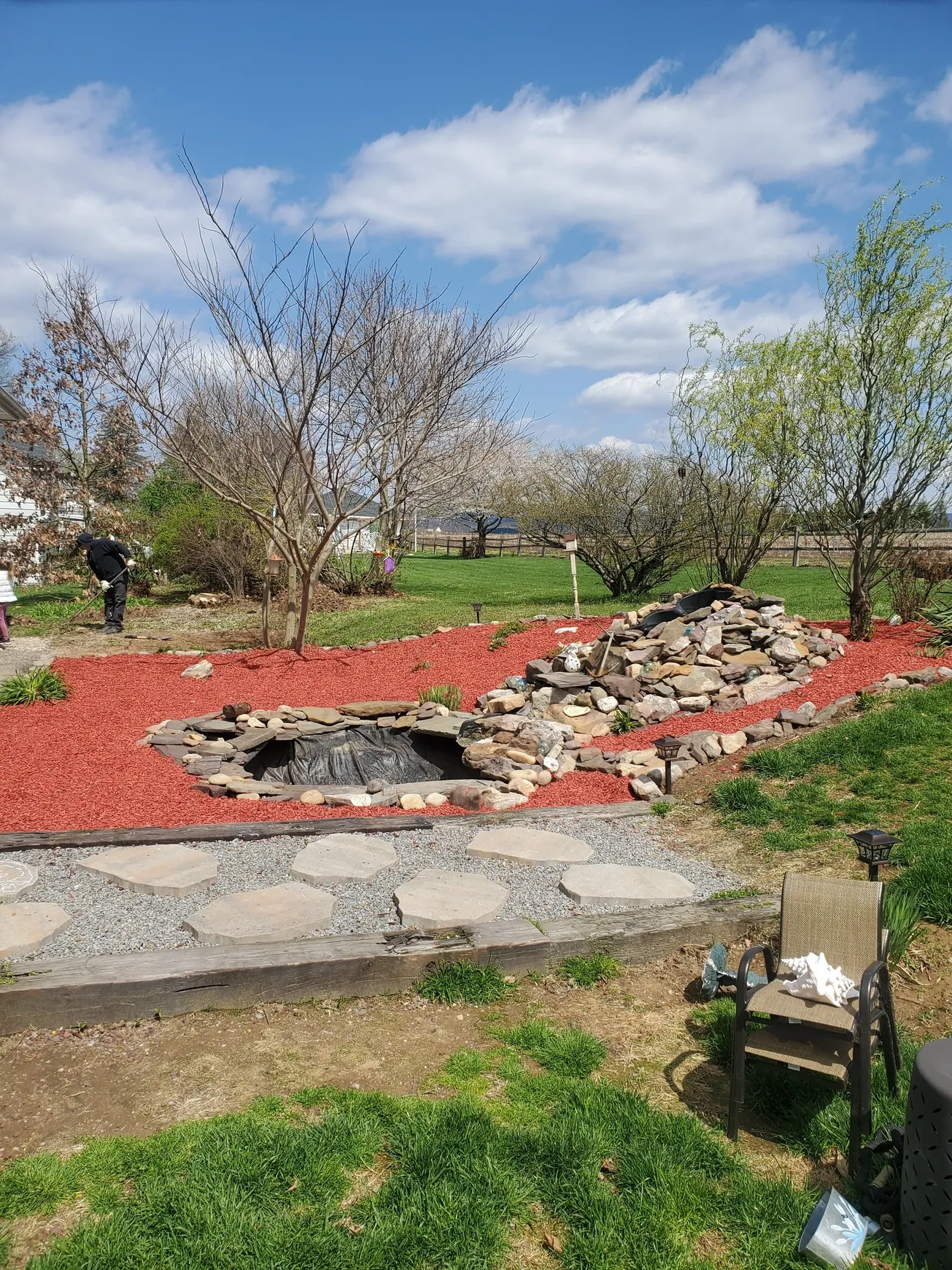
To begin crafting your harmonious landscape, first consider the layout and purpose of your space. Will it be a tranquil retreat, a vibrant gathering area, or a mix of both? Knowing the function of your landscape will guide your choices in plant and hardscape elements. For serene spaces, choose minimalist hardscape designs with calming elements like smooth stone pathways, gentle water features, and narrow gravel walkways. In contrast, vibrant spaces benefit from bold stone patterns, built-in seating areas, and multi-layered patios.
Once your vision is clear, the next step is selecting the right plants to complement your chosen hardscape design. Native plants are a wise choice for any landscape as they thrive in local soil and climate conditions with minimal maintenance. In Georgia, for instance, consider integrating drought-resistant beauties like Georgia aster or switchgrass. These plants not only thrive in the local environment but also require less water and care.
Achieving a cohesive look is the final, and perhaps most crucial, step in creating a harmonious landscape. Coordination is key, whether you're planting a line of bushes alongside a pathway or placing decorative boulders and shrubs near a patio. The strategic placement of greenery around hardscape elements softens the lines and brings organic texture to the more structured aspects of your design. This blending of forms transforms a static setup into a living, breathing ecosystem.
Let's not overlook the importance of color and texture. A well-crafted landscape uses a mix of leaf colors and plant textures to add depth and interest. For instance, combining the deep green foliage of hostas with the bright blooms of coneflowers provides a striking visual contrast. Meanwhile, the coarse texture of a stone retaining wall juxtaposes wonderfully with the delicate leaves of surrounding ferns, creating an inviting and balanced look.
It's essential to consider seasonality when planning your landscape. Choose a variety of plants that will offer year-round interest. Evergreens and ornamental grasses provide winter structure, while flowering plants and trees add spring and summer color, and fiery autumn foliage captures the essence of fall. This continuous rotation ensures your landscape remains dynamic and engaging throughout the year.
Finally, environmental sustainability should be a guiding principle in any landscaping project. Aim to use materials that are environmentally friendly, like locally sourced stones and recycled materials. Incorporating rain gardens or bioswales not only helps manage runoff but also infuses your landscape with natural beauty.
At Down Home Landscaping, we understand that creating harmonious landscapes involves more than just planting flowers and installing walkways. It’s about crafting a cohesive relationship between every element, ensuring that your outdoor space is not only beautiful but also functional and sustainable. By carefully considering your landscape's layout, choosing appropriate plants and materials, and balancing elements with an eye for color, texture, and seasonality, your outdoor environment will thrive, reflecting your tastes and enhancing your property's character. Through this thoughtful approach, you can transform your garden into a serene oasis or a vibrant entertaining space that you and your guests will enjoy for years to come.
/filters:no_upscale()/filters:format(webp)/media/edbcbce3-5162-4f51-a717-e9500851db09.webp)
/filters:no_upscale()/filters:format(webp)/media/254efeed-c378-4e44-880c-a92c5b58be03.jpg)