Creating Natural Harmony: Designing Wildlife-Friendly Landscapes Oct 16, 2026
To start crafting a wildlife-friendly landscape, it's essential to understand the needs of local flora and fauna. Native plants are the cornerstone of any wildlife-friendly garden as they provide natural sources of food and habitat for insects, birds, and small animals. When selecting plants, prioritize those that are indigenous to your region. This consideration ensures that the local wildlife is already accustomed to the available food sources, making your garden an inviting refuge.
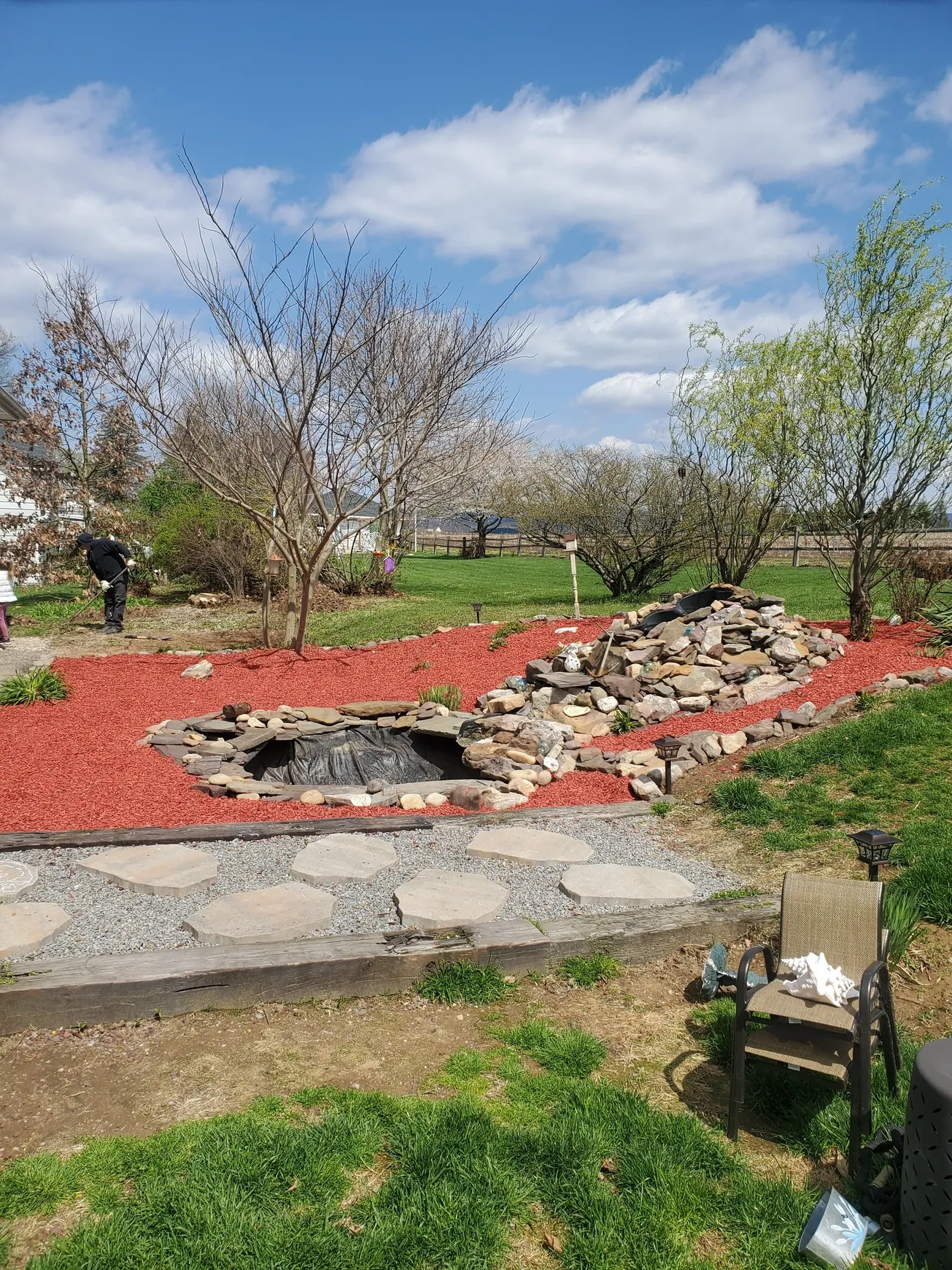
Water features are another crucial component. A pond or a small stream can attract a plethora of wildlife, offering them a place to drink, bathe, and thrive. Even shallow birdbaths can be highly effective. At Down Home Landscaping, our design ethos incorporates low-maintenance water features that enhance the aesthetic appeal and ecological function of your garden.
Creating different layers in the landscape is another strategy to encourage wildlife. Think about planting a diverse range of trees, shrubs, and perennials to establish a variety of habitats. Birds might nest in trees, while pollinators such as bees and butterflies would be attracted to colorful flowers. Shrubs can provide cover for small mammals, creating a dynamic and layered ecosystem in your backyard.
An often overlooked aspect is the importance of including a few "messy" areas in your garden. While order and tidiness are generally appealing, areas with leaf litter, deadwood, and organic debris are crucial for supporting insects and ground-dwelling creatures. Maintaining a balance between manicured spaces and wild sections is key to a harmonious landscape.
To further enhance biodiversity, consider including nesting boxes and feeders. These additions provide supplementary resources for wildlife, particularly during harsher seasons. At Down Home Landscaping, we recommend designs that match your landscape aesthetics while serving functional purposes for wildlife.
Opting for pesticide-free practices is vital. Chemicals not only eliminate pests, but they also harm beneficial insects and pollinators critical for plant reproduction. Emphasizing natural pest control methods, like attracting predatory insects or employing crop rotation, ensures that your wildlife-friendly landscape remains safe for all its inhabitants.
Hardscaping elements such as stone paths and garden walls should also be thought of as wildlife facilitators, offering hiding spaces or pathways. When consulting with our clients, Down Home Landscaping integrates hardscape designs that complement soft plantings and wildlife needs, resulting in a cohesive outdoor living space.
In conclusion, creating a wildlife-friendly landscape is an enriching journey that brings life and vibrant activity into your outdoor area. It fosters a connection with nature and underscores the crucial role we all play in supporting wildlife. At Down Home Landscaping, we are committed to designing gardens that offer sanctuary to both humans and wildlife, where nature and design exist in perfect harmony. By implementing these strategies, you not only enhance the beauty of your property but also contribute positively to the environment. Let us help transform your landscape into a welcoming habitat that supports local ecosystems and enriches your quality of life.
/filters:no_upscale()/filters:format(webp)/media/edbcbce3-5162-4f51-a717-e9500851db09.webp)
/filters:no_upscale()/filters:format(webp)/media/254efeed-c378-4e44-880c-a92c5b58be03.jpg)