Harmonious Havens: Integrating Wildlife Habitats into Your Home Garden Oct 27, 2026
To begin, it is essential to understand the specific needs of wildlife. Birds, butterflies, and other creatures require three main elements: food, water, and shelter. By incorporating these into your garden design, you create a supportive environment that encourages wildlife to visit and, hopefully, stay.
Start by diversifying your plant selection. Native plants are crucial because they are adapted to the local climate and soil conditions, thus requiring less water and maintenance. They also provide food and shelter to indigenous wildlife species. Consider planting a mix of trees, shrubs, and flowering plants that bloom at different times of the year. This variety ensures a consistent food supply through seeds, nectar, and pollen.
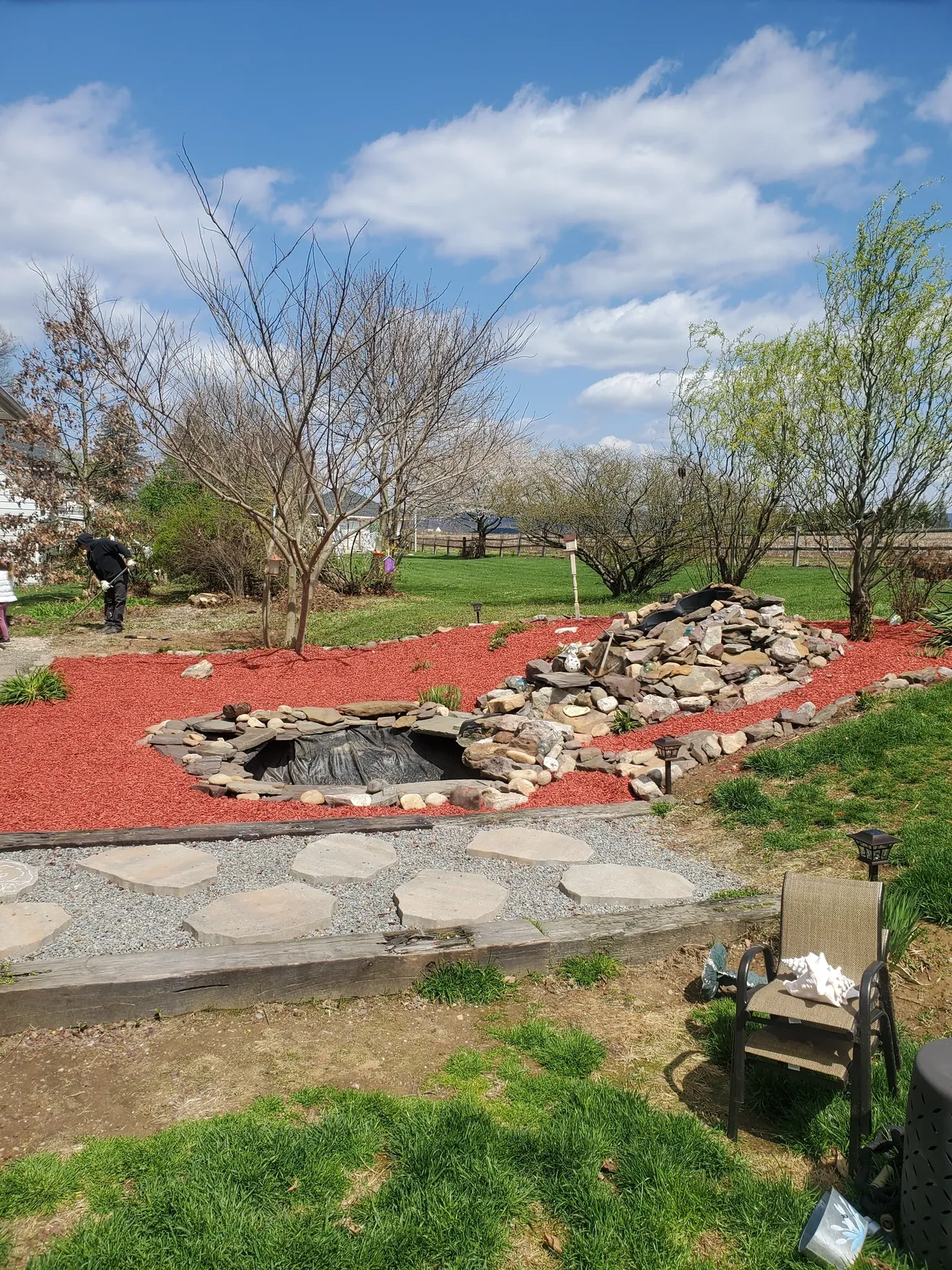
Water is another key component to attract wildlife. Installing a birdbath, pond, or small water feature can make your garden more inviting. Ensure these water sources are kept clean and are safe for wildlife use. A shallow dish of water can serve a multitude of creatures, from birds to small mammals. You may also consider adding aquatic plants to support wetland species and beneficial insects like dragonflies.
When it comes to providing shelter, think beyond traditional birdhouses. Dense hedges and evergreen shrubs offer excellent protection and nesting sites for many animals. Piles of logs or rocks can be home to amphibians and reptiles, while tall grasses can offer refuge for ground-dwelling creatures. If possible, reduce lawn space; replace it with wildflower meadows to attract bees and butterflies, fostering a pollinator-friendly environment.
Pest control is another important consideration. Avoid using chemical pesticides, which can harm non-target species and disrupt ecological balance. Instead, embrace natural pest management methods. Encouraging beneficial insects, like ladybugs and lacewings, can help control pest populations biologically. Setting up birdhouses will attract insect-eating birds that offer a natural solution to keeping your plants healthy.
While designing your wildlife-friendly garden, it is also vital to think about coexistence. Wildlife gardens should not interfere with the comfort of human residents. At Down Home Landscaping, we recommend strategic garden zoning. This involves creating wildlife zones away from high-traffic areas, allowing you to enjoy the serenity of your garden without disturbing its inhabitants.
Integrating wildlife habitats into your garden not only supports biodiversity but also enriches your gardening experience. By following these guidelines, you can transform your outdoor space into a vibrant ecosystem that thrives harmoniously alongside your home. At Down Home Landscaping, we believe that every garden, no matter its size, has the potential to become a refuge for wildlife.
For further assistance, our expert team at Down Home Landscaping can provide customized solutions to fit your space and needs. Whether you're looking to add a water feature or need advice on native plants, we're here to help you create a garden that coexists beautifully with nature and enhances your home's landscape.
In conclusion, crafting a harmonious haven in your home garden is a rewarding venture that benefits both you and the local wildlife. Embrace this holistic approach to gardening, and witness the myriad ways nature can enhance your quality of life.

