Harnessing the Elements: Integrating Wind and Sun into Sustainable Garden Designs Oct 30, 2026
When designing a sustainable garden, consider the orientation and layout to make the most of available sunlight. Sun exposure is crucial for plant growth, and understanding the sun's path can help you position plants according to their light needs. South-facing gardens tend to get the most sunlight and are ideal for sun-loving species. Meanwhile, shade-tolerant plants can thrive on the northern side. Including a variety of plants suited to different sunlight needs can ensure a thriving, dynamic garden.
Wind is another vital element often overlooked in garden design. By strategically placing windbreaks, such as hedges, walls, or trellises, you can protect delicate plants from harsh winds while channeling airflow to areas that benefit from it. For example, gentle breezes can help cool seating areas and are advantageous for plants that fare well in ventilated environments. Windbreaks can be both functional and decorative—climbing vines on a trellis can create an attractive barrier that doubles as a wind shield.
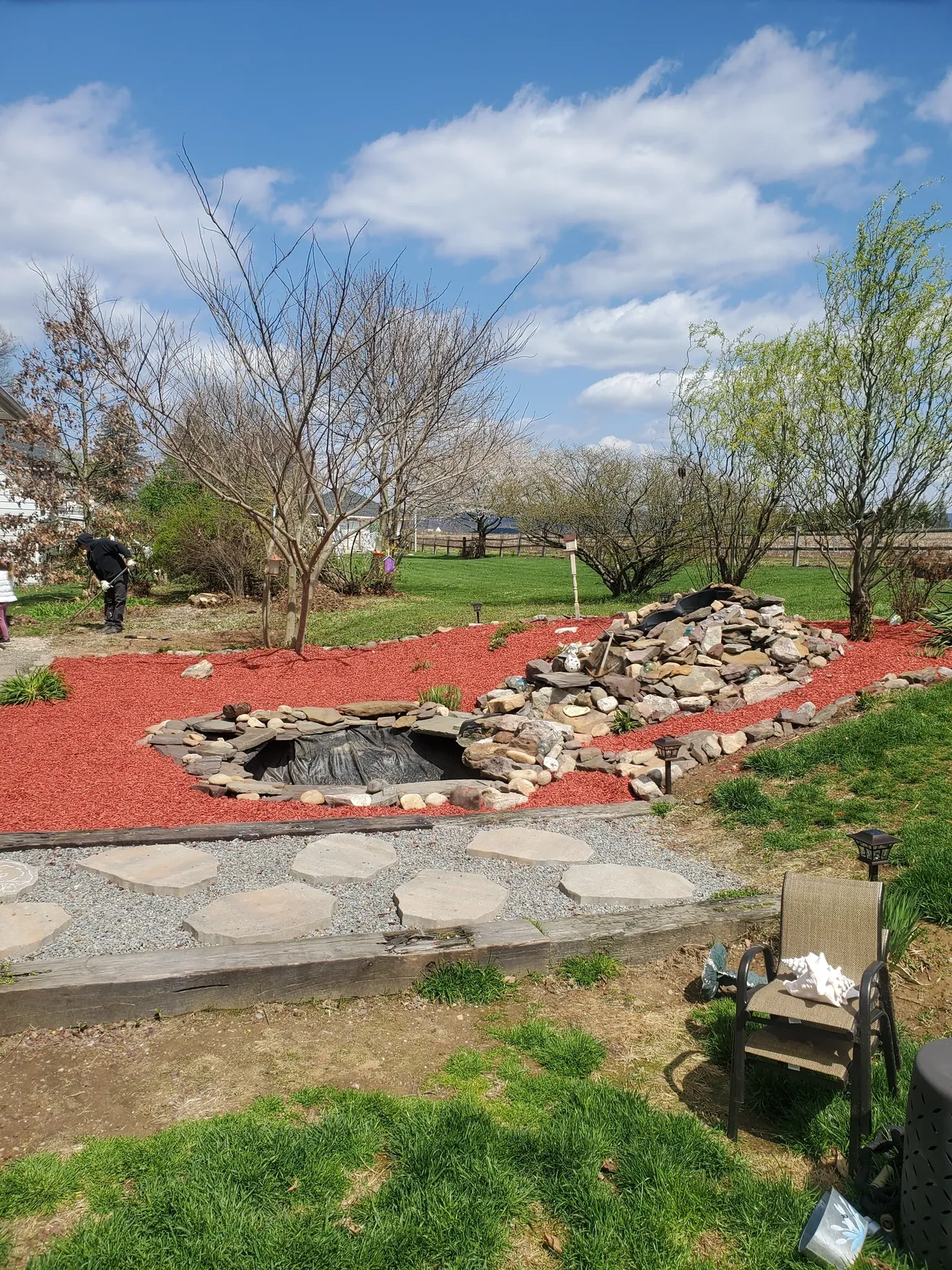
Integrating solar-powered features is another innovative way to capitalize on the sun's energy. Consider installing solar lights along pathways or solar-powered water features to add ambiance without the environmental cost of traditional electricity. Not only do these elements enhance the beauty of your garden, but they also underline a commitment to sustainable living.
Water management is a critical component of sustainable garden design. Installing rain barrels or creating rain gardens can help you collect and use rainwater efficiently, reducing the need for additional water resources. Clever positioning of your garden’s elements can also direct runoff to thirsty plants, helping to prevent water waste and erosion.
Companion planting is a technique that aligns perfectly with the principles of sustainable garden design. By planting certain species together, you can naturally deter pests, enrich the soil, and boost garden biodiversity. Herbs like basil and marigold can repel insects, while leguminous plants, such as peas or beans, contribute nitrogen to the soil, reducing the need for synthetic fertilizers.
Implementing these sustainable practices may seem daunting, but small changes can make a significant impact on your garden's health and the environment. At Down Home Landscaping, we offer expertise in designing gardens that harness the power of wind and sun while maintaining aesthetic appeal. Whether starting from scratch or enhancing an existing layout, our team can guide you in building a garden that is eco-friendly, efficient, and enchanting.
Concluding on a harmonious note, integrating natural elements into your garden is more than just a trend; it's a rewarding practice that benefits both you and the planet. By thoughtfully considering wind and sun in your garden design, you bring balance and sustainability to your outdoor space, ensuring it remains a lush haven for years to come. Let's work with nature to cultivate gardens that flourish, uplift, and inspire.

