Mastering the Art of Sustainable Landscape Design: Eco-Friendly Tips for Every Home Aug 06, 2026
Begin by assessing your garden's current state. Understanding your soil type, sunlight exposure, and natural water flow is crucial for successful sustainable landscaping. Conduct a simple soil test to determine whether your soil is sandy, clay, or loamy, as this will impact your plant choices and landscape design. Gather information about how much sunlight different areas receive throughout the day. With this knowledge, you can plan a layout that maximizes your garden's unique microclimate, ensuring the health and longevity of your plants.
Plant selection is a critical component of sustainable landscaping. Choose native plants that are naturally adapted to your region's climate and soil conditions. These plants require less water, fertilizer, and maintenance, making them an eco-friendly choice. Moreover, native plants attract local wildlife, enhancing biodiversity in your garden. Consider adding a variety of species to create a balanced ecosystem, which will naturally deter pests and reduce the need for chemical treatments.
Water conservation is another vital aspect of eco-friendly landscape design. Implementing a rainwater harvesting system can significantly reduce your reliance on municipal water supplies. Install rain barrels or a rain garden to capture and utilize rainwater for irrigation. Additionally, focus on xeriscaping—a technique that minimizes water use by incorporating drought-tolerant plants and ground covers. Mulching garden beds with organic materials can also help retain moisture, reduce evaporation, and suppress weeds.
Efficient irrigation practices are essential for maintaining a sustainable garden. Invest in a drip irrigation system, which delivers water directly to plant roots, minimizing waste and ensuring that your garden receives the hydration it needs. Pair this system with a smart irrigation controller that adjusts watering schedules based on current weather conditions, preventing unnecessary watering and conserving water.
Reducing lawn size can substantially contribute to an eco-friendly landscape. Traditional grass lawns consume a significant amount of water and chemicals. Replace sections of your lawn with alternatives such as ground covers, decorative stones, or a wildflower meadow. These options not only decrease water usage but also add visual interest and encourage a diverse range of pollinators.
Creating a composting system is another excellent way to embrace sustainability. Composting kitchen scraps and yard waste reduces landfill contributions and creates nutrient-rich soil for your garden. Use compost to enhance soil structure, promote healthy plant growth, and cut down on the need for synthetic fertilizers.
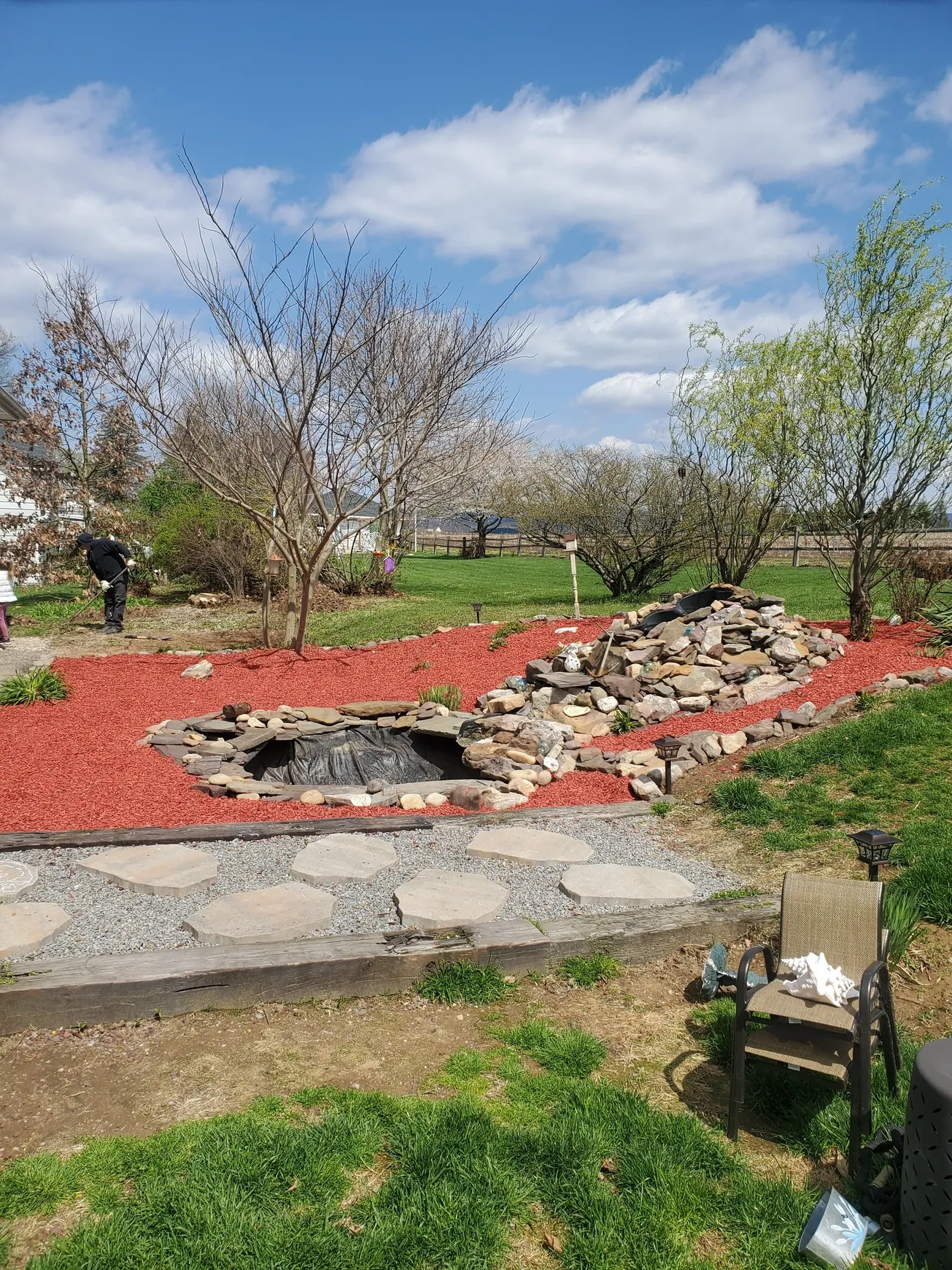
End your journey in sustainable landscaping by integrating hardscape features made from recycled or locally sourced materials. Paths, patios, and retaining walls crafted from reclaimed wood or stone not only reduce environmental impact but also add character and functionality to your outdoor space.
In conclusion, sustainable landscape design is within your reach with mindful planning and execution. By incorporating native plants, conserving water, and choosing environmentally friendly materials, you can create an outdoor space that is both beautiful and sustainable. At Down Home Landscaping, we are committed to helping you realize this vision, ensuring that your garden thrives for years to come while respecting our planet's precious resources.
/filters:no_upscale()/filters:format(webp)/media/edbcbce3-5162-4f51-a717-e9500851db09.webp)
/filters:no_upscale()/filters:format(webp)/media/254efeed-c378-4e44-880c-a92c5b58be03.jpg)