The Art of Landscaping Edges: Defining Spaces with Borders and Edging Mar 22, 2026
To begin with, let's explore why edging is so important. Landscape edging serves multiple purposes. It helps create clear demarcations between different areas, such as separating your lush lawn from a vibrant flower bed or defining the path of a wandering walkway. This not only enhances the visual appeal of your landscape but also helps in maintaining a tidy appearance, preventing grass from creeping into flower beds and vice versa.
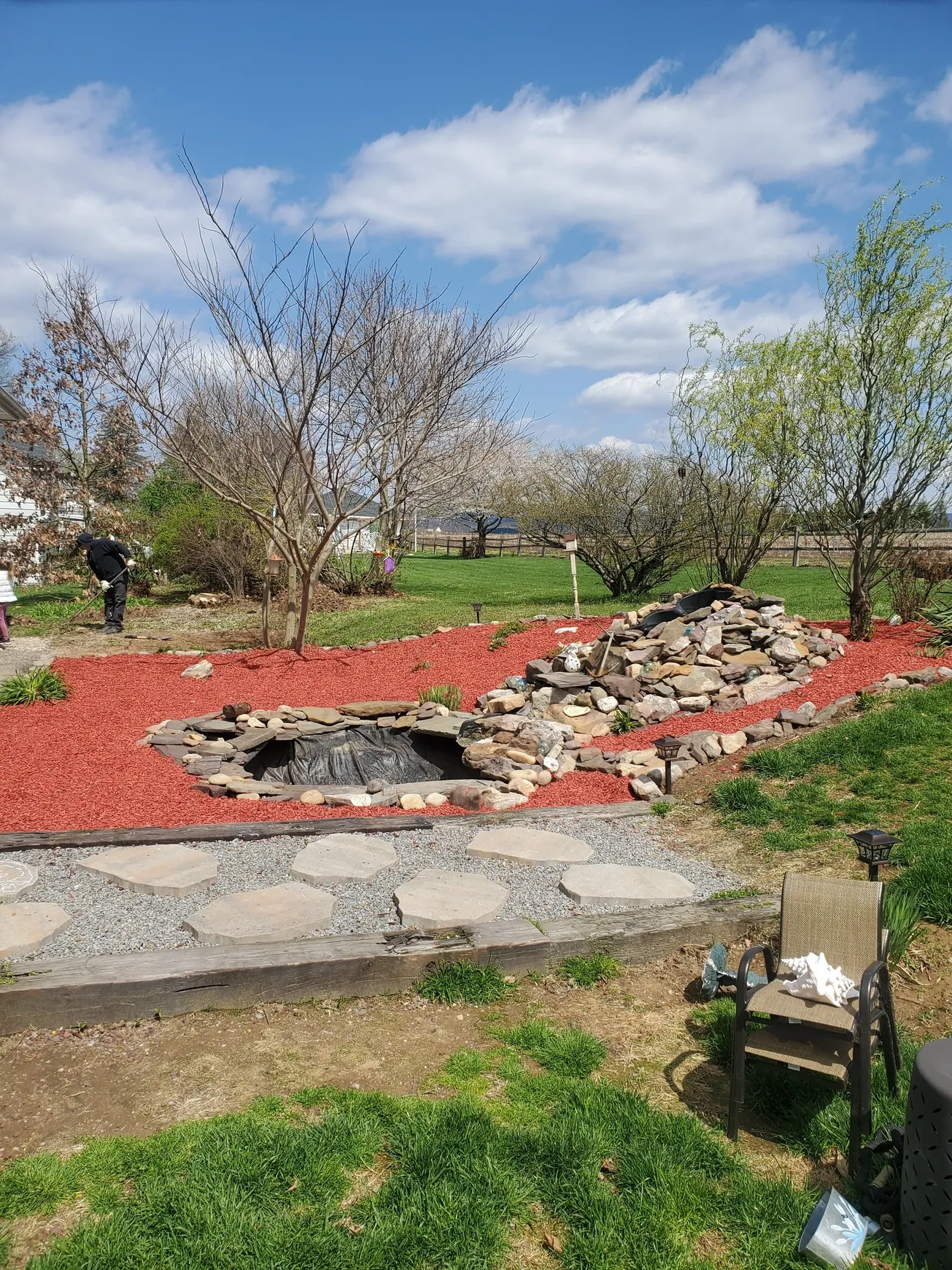
The choice of materials for your landscape edges is as important as the placement. Different materials can complement the existing decor and style of your home. For a natural look, consider using stone or brick. These materials offer a rustic charm and blend seamlessly with garden elements, providing durability and stability. On the other hand, if you prefer a more contemporary aesthetic, metal or concrete edging can offer sleek and modern lines. Remember, the key is to select a border that complements your landscape’s theme.
Now, let’s discuss how you can strategically place borders to enhance your landscape. Consider the forms and shapes of your garden beds. Curved edges often create a soft, flowing appearance that can lead the eye naturally across your garden. Straight edges, meanwhile, offer a more formal and structured look, perfect for modern or minimalist designs. At Down Home Landscaping, we often recommend experimenting with shapes and combining straight and curved lines for a dynamic look that keeps the eye engaged.
Moreover, functional considerations are paramount. Well-planned edges can assist with landscape maintenance by keeping mulch and soil in place, ensuring that your plants receive adequate nutrients and water retention. This functionality is particularly important for gardens in locations prone to heavy rains or strong winds. A well-defined edge can act as a barrier, protecting your delicate plants and maintaining garden integrity.
For those who enjoy DIY projects, installing landscape edging can be a straightforward process. Begin by outlining your desired edge using a garden hose or string to establish curves accurately. Once you’re satisfied, mark the line with a shovel, then dig a trench for the edging material. Whether you choose to work with bricks, stones, or pavers, ensure they are laid evenly and level with the ground. This will prevent tripping hazards and allow for easy mowing right up to the edge, maintaining that crisp, clean look.
In conclusion, the impact of proper landscaping edges extends beyond the aesthetic. Effective edging enhances the structure and function of your outdoor space, providing clear boundaries and safeguarding your plant life. At Down Home Landscaping, we are committed to helping you create a landscape that not only enhances the beauty of your home but also stands the test of time. Whether you seek professional assistance or prefer to take on your next project yourself, remember that the power of a well-defined edge can be transformative.
/filters:no_upscale()/filters:format(webp)/media/edbcbce3-5162-4f51-a717-e9500851db09.webp)
/filters:no_upscale()/filters:format(webp)/media/254efeed-c378-4e44-880c-a92c5b58be03.jpg)