The Elegance of Edibles: Creating Beautiful and Productive Food Gardens Sep 09, 2026
Before diving into the specifics of planting, it is crucial to plan effectively. Consider the layout and design of your garden to strike a balance between functionality and beauty. Start by choosing a dedicated spot that receives ample sunlight throughout the day. Most edible plants, including vegetables and herbs, require a minimum of six hours of sunlight to thrive. Next, map out pathways to provide easy access for maintenance and harvesting, integrating practical elements with scenic design.
Selecting the right mix of plants is vital for creating a diverse and visually appealing food garden. Begin with staple vegetables like tomatoes, peppers, and lettuce. These are relatively easy to grow and lend vibrant colors to your garden beds. Complement these with aromatic herbs such as basil, rosemary, and mint, which not only enhance food flavors but also act as natural pest repellents, promoting a healthier garden ecosystem. Consider adding perennial edibles such as fruit trees or berry bushes, which provide an ongoing supply of fresh produce and add structure to the landscape.
Incorporate companion planting principles to naturally improve crop yields and deter pests. For instance, planting marigolds alongside tomatoes can ward off harmful insects, while legumes can enrich the soil with nitrogen, benefiting nearby plants. This blend of flowers and vegetables creates a tapestry of colors and textures, offering visual interest while supporting plant health.
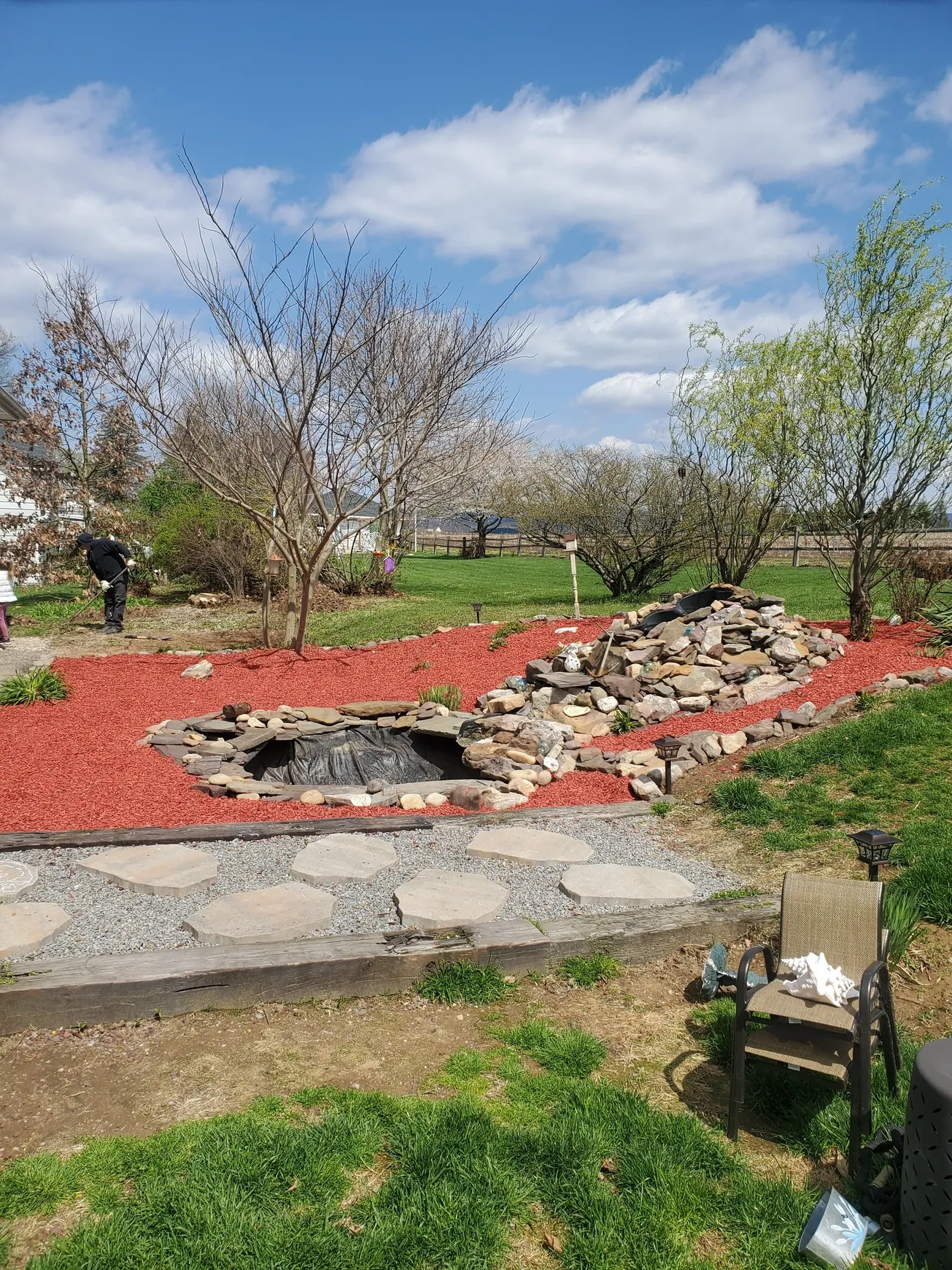
Incorporate hardscaping elements to elevate the design of your edible garden. Raised beds made from natural stone or wood can contour the landscape, adding depth and definition to planting areas. These structures not only delineate spaces but also improve drainage and are easier to manage for gardeners. Furthermore, consider installing a trellis or arbor to support climbing plants such as beans or peas, which provide vertical interest and save space.
Watering is another essential aspect of maintaining a productive food garden. Implementing an efficient irrigation system, such as drip irrigation, can conserve water while ensuring your plants receive adequate hydration. Group plants with similar water needs together, making it easier to manage and conserve this precious resource.
Finally, regular maintenance ensures the longevity and productivity of your garden. Pruning keeps plants healthy and encourages fruit production. Incorporating organic compost nourishes the soil, enhances fertility, and reduces the need for chemical fertilizers.
By integrating easy-to-grow edibles with creative landscape designs, you can achieve a garden that is as functional as it is striking. Down Home Landscaping can help bring your vision to life, blending edible beauty with sustainable practices. Creating a food garden is a rewarding endeavor that combines environmental stewardship with personal satisfaction, as you reap the benefits of nuturing a thriving, fruitful outdoor space year after year.
/filters:no_upscale()/filters:format(webp)/media/edbcbce3-5162-4f51-a717-e9500851db09.webp)
/filters:no_upscale()/filters:format(webp)/media/254efeed-c378-4e44-880c-a92c5b58be03.jpg)