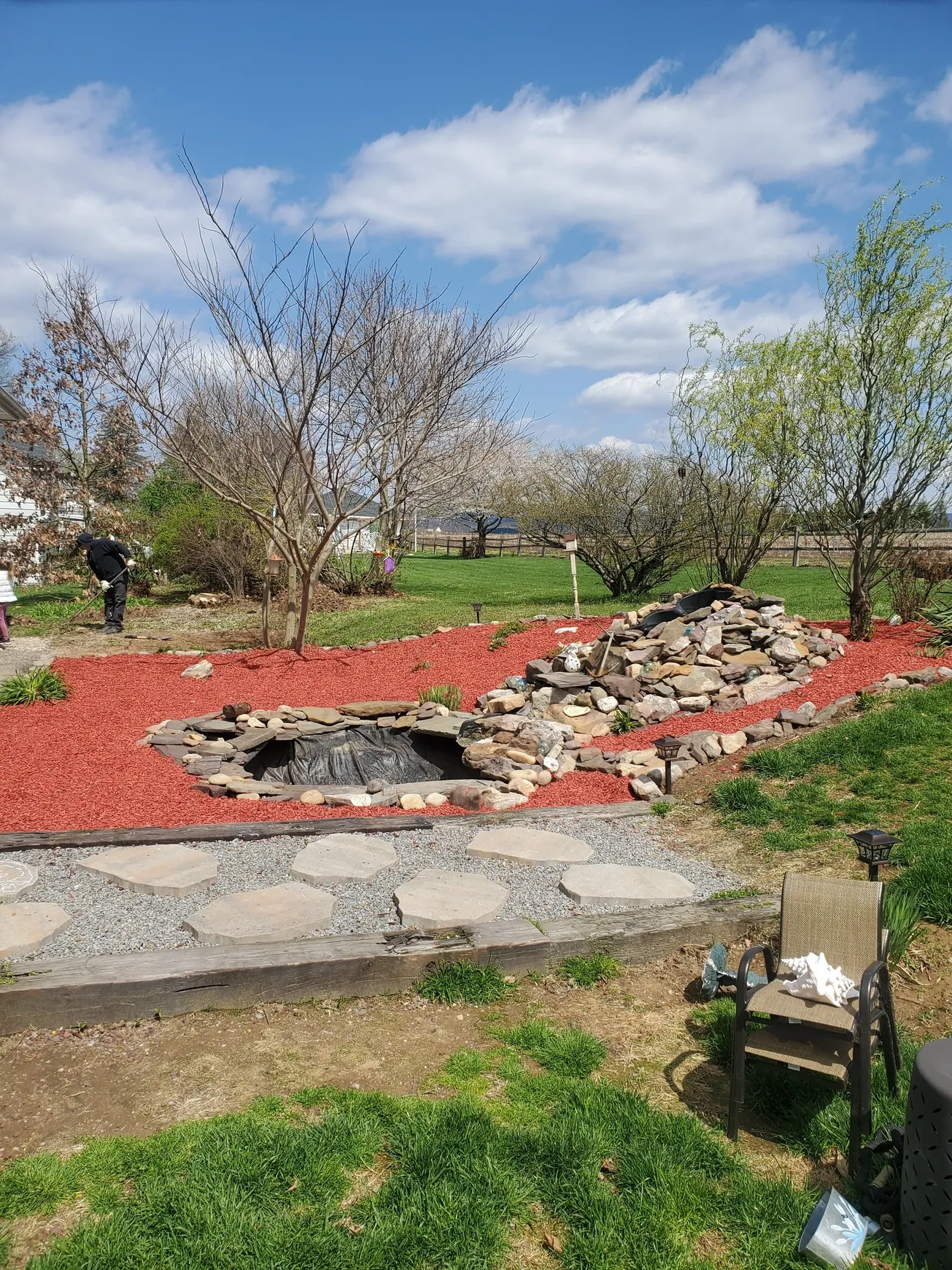
The Magic of Mulching: Boost Your Garden's Health and Aesthetic Jan 22, 2026
What is Mulching?
Mulching involves spreading a layer of material—such as wood chips, bark, straw, or leaves—over the surface of your garden soil. This simple practice serves several purposes, from weed suppression to pest control. At Down Home Landscaping, we guide our clients in choosing the right type of mulch to meet their specific garden needs, ensuring they maximize both aesthetic and functional outcomes.
Benefits of Mulching
Mulching offers an array of benefits that directly contribute to a healthier garden ecosystem. One of the primary advantages is moisture retention. A layer of mulch acts as a barrier, reducing evaporation and maintaining consistent soil moisture levels. This is particularly beneficial during hot, dry spells, ensuring plants receive enough water to thrive.
Furthermore, mulch is a powerful weed suppressant. By blocking sunlight, mulch prevents weed seeds from germinating, which reduces competition for nutrients and space in your garden. This natural weed control method is appealing to gardeners looking for environmentally friendly solutions to preserving garden aesthetics.
Mulching also improves soil quality over time. As the mulch material decomposes, it enriches the soil with organic matter, enhancing soil structure, and providing essential nutrients. This process creates a thriving environment for beneficial microorganisms, supporting plant health and resilience.
Choosing the Right Mulch
Selecting the right type of mulch is crucial for optimizing its benefits. Organic mulches, such as pine bark or wood chips, are excellent for improving soil fertility as they decompose. At Down Home Landscaping, we often recommend organic options for flower beds or gardens focused on plant health.
Inorganic mulches, like stone or rubber, are better suited for areas requiring long-lasting ground cover without the need for frequent replenishment. These are ideal for high-traffic areas or around trees and shrubs. Our team helps clients determine the optimum mulch type, balancing durability, appearance, and budget considerations.
Application Tips
Correct application of mulch is key to reaping its benefits. Aim for a 2-3 inch deep layer of mulch, ensuring it covers the ground evenly. Too much mulch can lead to moisture issues and root suffocation, while too little might be ineffective. At Down Home Landscaping, we offer professional mulching services to ensure proper application and consistent results.
It's important to keep mulch away from direct contact with plant stems and tree trunks to prevent rot. Maintaining a gap improves air circulation and promotes healthy growth.
Conclusion
Integrating mulching into your landscaping routine can significantly boost your garden's health and aesthetic appeal. With proper selection and application, mulch becomes a hardworking ally in maintaining a vibrant, weed-free, and water-efficient landscape. At Down Home Landscaping, we are committed to helping you create an outdoor space that not only looks fantastic but thrives year-round. Contact us today to learn more about how mulching and other services can enhance your garden's beauty and vitality.
/filters:no_upscale()/filters:format(webp)/media/edbcbce3-5162-4f51-a717-e9500851db09.webp)
/filters:no_upscale()/filters:format(webp)/media/254efeed-c378-4e44-880c-a92c5b58be03.jpg)