Weather-Resilient Designs: Building Landscapes that Endure Seasonal Extremes Sep 02, 2026
To begin with, it is essential to select the right plant species that can thrive despite climatic changes. Native plants are an excellent choice as they are naturally adapted to local weather conditions. They not only require less water but also support local wildlife. Consider incorporating hardy perennials and drought-resistant shrubs, which can endure both dry spells and freezing temperatures. At Down Home Landscaping, we often recommend species like lavender, sedum, and coneflower, known for their resilience.
In addition to choosing weather-tolerant plants, efficient water management plays a significant role in ensuring landscape longevity. Installing an irrigation system that accounts for rainfall and seasonality is key. Smart irrigation systems, equipped with rain sensors and programmable controllers, help in conserving water by optimizing watering schedules. This technology not only saves resources but also prevents overwatering, which can damage plant health.
Hardscape elements, such as patios and walkways, contribute significantly to a weather-resilient design. Choosing durable materials like concrete pavers or natural stone can withstand temperature fluctuations and heavy rainfall. These materials are not only robust but also offer an aesthetically pleasing solution to minimizing soil erosion. At Down Home Landscaping, we suggest permeable paving options, which aid in managing stormwater runoff, further protecting your landscape from flooding and erosion.
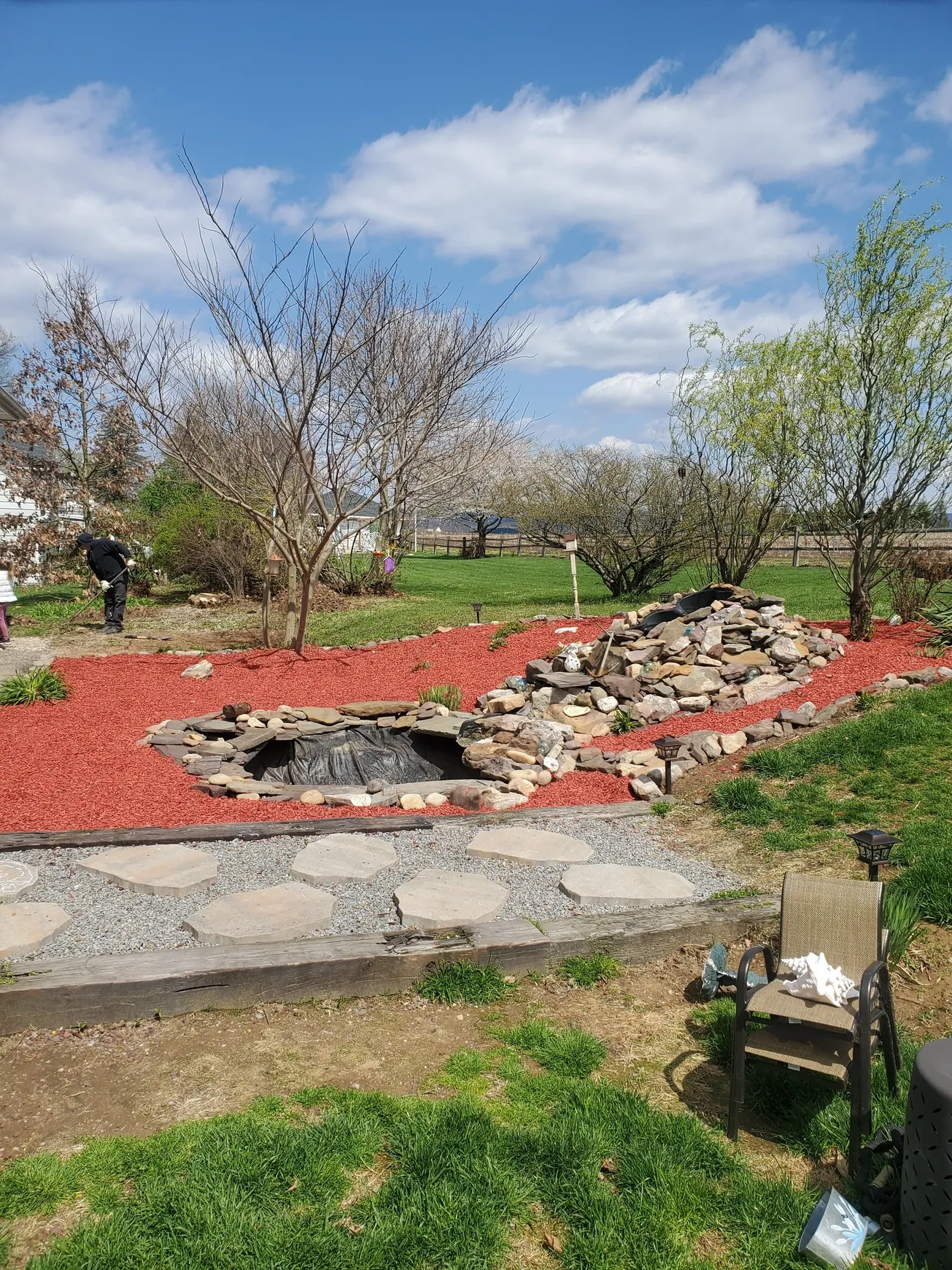
Mulching is another effective strategy for protecting plant roots against temperature extremes. A layer of organic mulch helps to insulate the soil, keeping it cool in the summer and warm during the winter. It also aids in moisture retention and prevents weed growth, ensuring your plants continue to thrive with minimal maintenance.
Implementing windbreaks can shield your landscape from harsh winds, which can dry out plants and damage weaker structures. Planting rows of sturdy trees or shrubs, or using fences and walls, can serve as effective barriers. Consider species like evergreens or hedges that remain effective year-round.
Dietrich and his team at Down Home Landscaping understand that each property has unique needs. Conducting a comprehensive site analysis is critical to identifying specific vulnerabilities your landscape might face. Factors such as slope, soil type, and existing drainage systems all play a part in developing robust designs that endure fluctuating weather.
Lastly, regular maintenance ensures your landscape's health and longevity. Seasonal checks allow you to address wear and tear before it becomes a problem. Aerating soil, pruning plants, and replenishing mulch are practices that strengthen the resilience of your landscape.
In conclusion, building a landscape that can endure seasonal extremes involves thoughtful planning and execution. By selecting the right plants, focusing on efficient water use, using durable hardscape materials, and implementing strategic design elements such as windbreaks and mulching, you can create a landscape that thrives despite nature's unpredictability. At Down Home Landscaping, we are committed to helping you achieve a beautiful, sustainable landscape that stands the test of time. Whether you’re starting a new project or enhancing an existing one, our team of experts is ready to guide you every step of the way.
/filters:no_upscale()/filters:format(webp)/media/edbcbce3-5162-4f51-a717-e9500851db09.webp)
/filters:no_upscale()/filters:format(webp)/media/254efeed-c378-4e44-880c-a92c5b58be03.jpg)