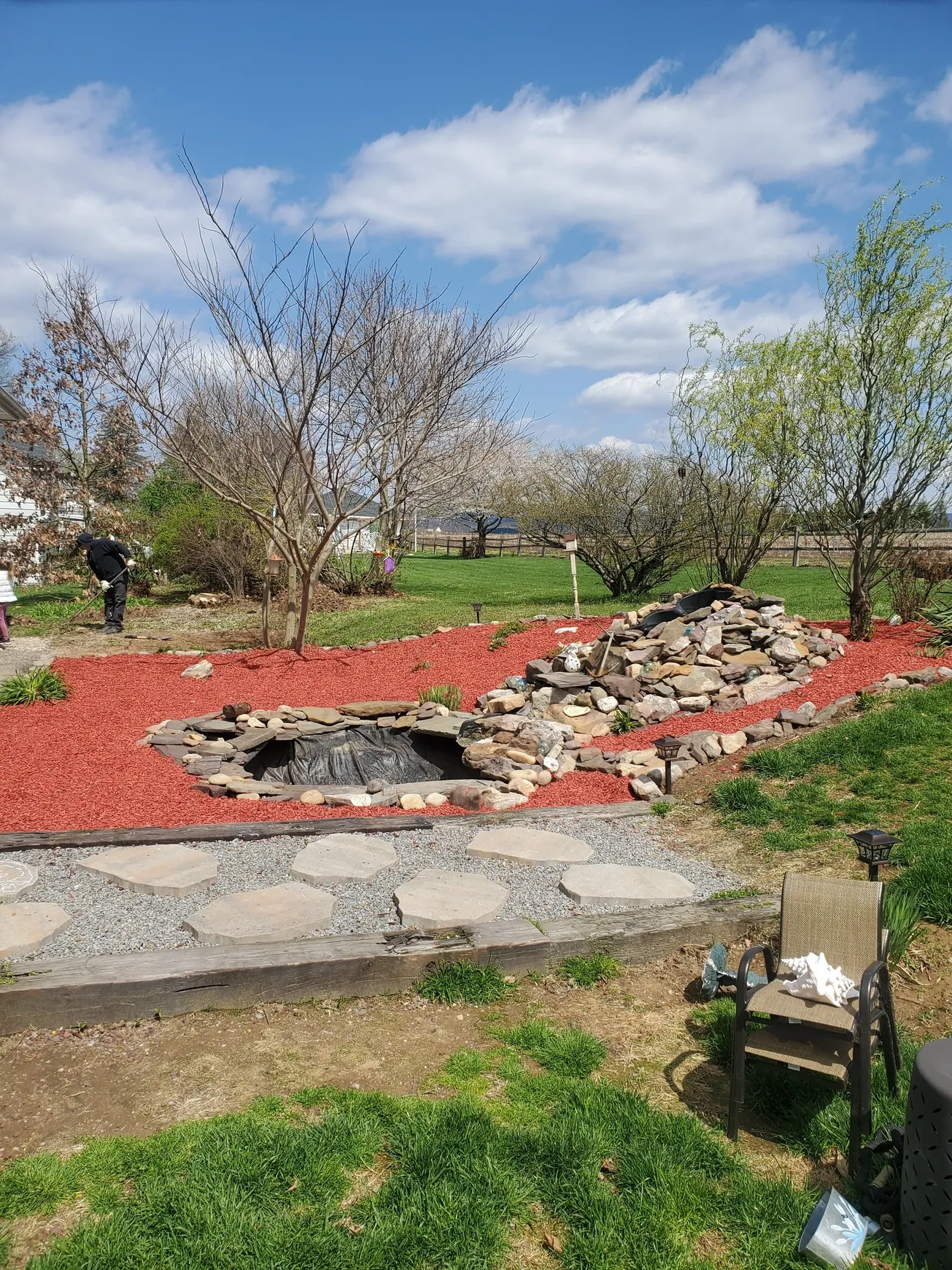
Year-Round Garden Beauty: Seasonal Planting and Maintenance Tips Dec 07, 2025
The planning stage is crucial, where you decide what plants to include, considering their bloom times and maintenance needs. Begin by prioritizing native plants, known for their adaptability to local climate and soil conditions. Native species not only enhance the ecological balance but also require less effort in maintenance, ensuring a lush garden with natural defense against pests and diseases.
Spring is a vibrant time for planting, as soil temperatures rise and days grow longer, making it ideal for introducing new perennials and annual blooms. Consider planting tulips, daffodils, and hyacinths for spring tones. This is also the time to prune any woody perennials and shrubs, promoting growth and maintaining the desired shapes. Keep an eye out for the first signs of weeds, and tackle them early to prevent unwanted competition for nutrients.
Summer brings its own set of challenges and opportunities. It's important to focus on consistent watering, especially during hot, dry spells. An irrigation system may prove invaluable in maintaining moisture levels. Perennials like coneflowers, daylilies, and yarrow can be introduced for mid-season colors. Mulching around plants helps retain soil moisture and suppresses weed growth. Remember, summer is the time when pests become more active; employ integrated pest management strategies to keep them at bay without resorting to harsh chemicals.
As autumn arrives, the focus shifts to extending the life of your garden colors. Chrysanthemums, asters, and ornamental grasses can keep your garden alive with color and texture. It's also a great time for dividing overgrown perennials and planting spring bulbs to get a head start on next year's bloom. Don’t forget to rake fallen leaves to prevent mold and disease while also adding a natural mulch layer or composting them.
Winter might seem like a dormant period, but it’s a crucial time for reflection and preparation. Evergreens take center stage, offering a structure and winter interest with their steadfast colors. This season is perfect for maintaining and sharpening garden tools, planning the next planting year, and protecting tender plants with burlap wraps or cloches against frost.
Each season presents a distinct set of challenges and opportunities. By taking a proactive approach and understanding plant needs, gardeners can enjoy a beautiful, thriving garden year-round. Regular maintenance, such as deadheading spent blooms, timely fertilization with organic compost, and vigilant weed control, greatly contributes to a garden’s health. Beyond the seasonal specifics, promoting soil health through organic matter enrichment remains a fundamental task across all seasons.
At Down Home Landscaping, we encourage homeowners to embrace the natural beauty throughout the year by adapting their gardening practices to seasonal changes. Proper planning and maintenance not only enhance the aesthetics of your garden space but also promote sustainability and biodiversity. By tailoring strategies to fit each season, you ensure your garden remains a source of joy and tranquility all year long, reflecting both personal taste and a commitment to nurturing the environment.
/filters:no_upscale()/filters:format(webp)/media/edbcbce3-5162-4f51-a717-e9500851db09.webp)
/filters:no_upscale()/filters:format(webp)/media/254efeed-c378-4e44-880c-a92c5b58be03.jpg)